










Item out of stock
Selling fast! Item low in stock
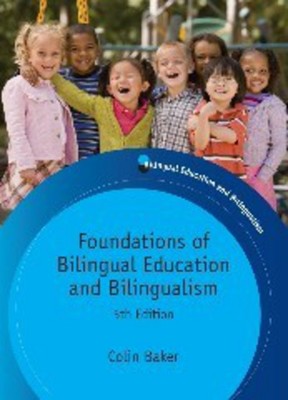
Foundations of bilingual education and bilingualism - Colin Baker
Oops!
Unfortunately it looks like someone took the last one.
Unfortunately it looks like someone took the last one.
No worries, we have many more interesting finds for you.
Browse similar
Why choose musicMagpie?
Title
Foundations of bilingual education and bilingualism
Foundations of bilingual education and bilingualism
Author
Colin Baker
Colin Baker
format
Paperback / softback
Paperback / softback
Publisher
Multilingual Matters
Multilingual Matters
Language
English
English
UK Publication Date
20110218
20110218
Description
The fifth edition of this bestselling book provides a comprehensive introduction to bilingualism and bilingual education. In a compact and clear style, its 19 chapters cover all the crucial issues in bilingualism at individual, group and national levels. These include:
defining who is bilingual and multilingual
testing language abilities and language use
languages in communities and minority groups
endangered languages
language planning, language revival
the development of bilingualism in infancy and childhood
bilingualism in the family
age and language learning
adult language learning
bilinguals' thinking skills
bilingualism and the brain
theories of bilingualism
types of bilingual education
heritage language education
evaluations of bilingual education
minority language literacy
biliteracy and multiliteracies
effective teaching and learning methods in bilingual classrooms
the effectiveness of bilingual education in the United States
the history of bilingual education in the United States
language minority underachievement
bilingual special education
the assessment of language minority children
Deaf bilinguals
the spread of English as a global language
learning English as a second or third language
language identity and multiple identities
the politics surrounding language minorities and bilingual education
assimilation and pluralism
bilingualism and employment
bilingualism and the internet
Why buy with musicMagpie?

FREE 12 Month Warranty on Tech

Magpie Certified Refurbished Tech

FREE Delivery on ALL Orders

14 Day Money Back Guarantee

90 Point Refurbished Quality Check
If you’re looking for something new to listen to, watch or play, look no further than the musicMagpie Store. We sell over half a million new and used CDs, DVDs, Blu-Rays, Games and Vinyl, spanning all kinds of genres and consoles, with prices starting from just £1.09! We also sell a wide range of refurbished Mobile Phones and Tech from major brands like Apple, Samsung, Sony, Microsoft and much more. With a 12 month quality warranty, you can save with total confidence.