










Item out of stock
Selling fast! Item low in stock
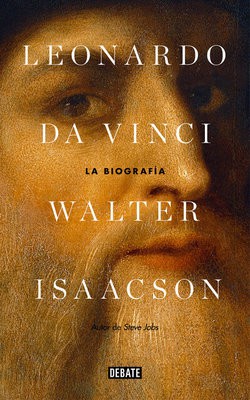
Leonardo Da Vinci: La biografa / Leonardo Da Vinci - Walter Isaacson
Oops!
Unfortunately it looks like someone took the last one.
Unfortunately it looks like someone took the last one.
No worries, we have many more interesting finds for you.
Browse similar
Why choose musicMagpie?
Title
Leonardo Da Vinci: La biografa / Leonardo Da Vinci
Leonardo Da Vinci: La biografa / Leonardo Da Vinci
Author
Walter Isaacson
Walter Isaacson
format
Paperback / softback
Paperback / softback
Publisher
Debate
Debate
Language
Spanish
Spanish
UK Publication Date
20180807
20180807
Description
El aclamado autor de los best sellers Steve Jobs y Einstein nos vuelve a cautivar con la vida del genio ms creativo de la historia en esta fascinante biografa.
Basndose en las miles de pginas de los cuadernos manuscritos de Leonardo y nuevos descubrimientos sobre su vida y su obra, Walter Isaacson teje una narracin que conecta el arte de Da Vinci con sus investigaciones cientficas, y nos muestra cmo el genio del hombre ms visionario de la historia naci de habilidades que todos poseemos y podemos estimular, tales como la curiosidad incansable, la observacin cuidadosa y la imaginacin juguetona. Su creatividad, como la de todo gran innovador, result de la interseccin entre la tecnologa y las humanidades. Despellej y estudi el rostro de numerosos cadveres, dibuj los msculos que configuran el movimiento de los labios y pint la sonrisa ms enigmtica de la historia, la de la Mona Lisa. Explor las leyes de la ptica, demostr como la luz incida en la crnea y logr producir esa ilusin de profundidad en la ltima cena.
La habilidad de Leonardo da Vinci para combinar arte y ciencia -esplendorosamente representada en elHombre de Vitruvio- contina siendo la regla de oro de la innovacin. La apasionante vida de este gran hombre debe recordarnos la importancia de inculcar el conocimiento, pero sobre todo la voluntad contagiosa de cuestionarlo: ser imaginativos y pensar de manera diferente.
ENGLISH DESCRIPTION
The #1
New York Times bestseller
"A powerful story of an exhilarating mind and life...a study in creativity:
how to define it, how to achieve it." -The New Yorker
"Vigorous, insightful." -The Washington Post
"A masterpiece." -San Francisco Chronicle
"Luminous." -The Daily Beast
He was history's most creative genius. What secrets can he teach us?
The author of the acclaimed bestsellers Steve Jobs, Einstein, and Benjamin
Franklin brings Leonardo da Vinci to life in this exciting new
biography.
Based on thousands of pages from Leonardo's astonishing notebooks and new
discoveries about his life and work, Walter Isaacson weaves a narrative that
connects his art to his science. He shows how Leonardo's genius was based on
skills we can improve in ourselves, such as passionate curiosity, careful
observation, and an imagination so playful that it flirted with
fantasy.
He produced the two most famous paintings in history, The Last Supper and
the Mona Lisa. But in his own mind, he was just as much a man of science and
technology. With a passion that sometimes became obsessive, he pursued
innovative studies of anatomy, fossils, birds, the heart, flying machines,
botany, geology, and weaponry. His ability to stand at the crossroads of the
humanities and the sciences, made iconic by his drawing of Vitruvian Man,
made him history's most creative genius.
His creativity, like that of other great innovators, came from having
wide-ranging passions. He peeled flesh off the faces of cadavers, drew the
muscles that move the lips, and then painted history's most memorable smile.
He explored the math of optics, showed how light rays strike the cornea, and
produced illusions of changing perspectives in The Last Supper. Isaacson also
describes how Leonardo's lifelong enthusiasm for staging theatrical
productions informed his paintings and inventions.
Leonardo's delight at combining diverse passions remains the ultimate
recipe for creativity. So, too, does his ease at being a bit of a misfit:
illegitimate, gay, vegetarian, left-handed, easily distracted, and at times
heretical. His life should remind us of the importance of instilling, both in
ourselves and our children, not just received knowledge but a willingness to
question it-to be imaginative and, like talented misfits and rebels in any
era, to think different.
Basndose en las miles de pginas de los cuadernos manuscritos de Leonardo y nuevos descubrimientos sobre su vida y su obra, Walter Isaacson teje una narracin que conecta el arte de Da Vinci con sus investigaciones cientficas, y nos muestra cmo el genio del hombre ms visionario de la historia naci de habilidades que todos poseemos y podemos estimular, tales como la curiosidad incansable, la observacin cuidadosa y la imaginacin juguetona. Su creatividad, como la de todo gran innovador, result de la interseccin entre la tecnologa y las humanidades. Despellej y estudi el rostro de numerosos cadveres, dibuj los msculos que configuran el movimiento de los labios y pint la sonrisa ms enigmtica de la historia, la de la Mona Lisa. Explor las leyes de la ptica, demostr como la luz incida en la crnea y logr producir esa ilusin de profundidad en la ltima cena.
La habilidad de Leonardo da Vinci para combinar arte y ciencia -esplendorosamente representada en elHombre de Vitruvio- contina siendo la regla de oro de la innovacin. La apasionante vida de este gran hombre debe recordarnos la importancia de inculcar el conocimiento, pero sobre todo la voluntad contagiosa de cuestionarlo: ser imaginativos y pensar de manera diferente.
ENGLISH DESCRIPTION
The #1
New York Times bestseller
"A powerful story of an exhilarating mind and life...a study in creativity:
how to define it, how to achieve it." -The New Yorker
"Vigorous, insightful." -The Washington Post
"A masterpiece." -San Francisco Chronicle
"Luminous." -The Daily Beast
He was history's most creative genius. What secrets can he teach us?
The author of the acclaimed bestsellers Steve Jobs, Einstein, and Benjamin
Franklin brings Leonardo da Vinci to life in this exciting new
biography.
Based on thousands of pages from Leonardo's astonishing notebooks and new
discoveries about his life and work, Walter Isaacson weaves a narrative that
connects his art to his science. He shows how Leonardo's genius was based on
skills we can improve in ourselves, such as passionate curiosity, careful
observation, and an imagination so playful that it flirted with
fantasy.
He produced the two most famous paintings in history, The Last Supper and
the Mona Lisa. But in his own mind, he was just as much a man of science and
technology. With a passion that sometimes became obsessive, he pursued
innovative studies of anatomy, fossils, birds, the heart, flying machines,
botany, geology, and weaponry. His ability to stand at the crossroads of the
humanities and the sciences, made iconic by his drawing of Vitruvian Man,
made him history's most creative genius.
His creativity, like that of other great innovators, came from having
wide-ranging passions. He peeled flesh off the faces of cadavers, drew the
muscles that move the lips, and then painted history's most memorable smile.
He explored the math of optics, showed how light rays strike the cornea, and
produced illusions of changing perspectives in The Last Supper. Isaacson also
describes how Leonardo's lifelong enthusiasm for staging theatrical
productions informed his paintings and inventions.
Leonardo's delight at combining diverse passions remains the ultimate
recipe for creativity. So, too, does his ease at being a bit of a misfit:
illegitimate, gay, vegetarian, left-handed, easily distracted, and at times
heretical. His life should remind us of the importance of instilling, both in
ourselves and our children, not just received knowledge but a willingness to
question it-to be imaginative and, like talented misfits and rebels in any
era, to think different.
Why buy with musicMagpie?

FREE 12 Month Warranty on Tech

Magpie Certified Refurbished Tech

FREE Delivery on ALL Orders

14 Day Money Back Guarantee

90 Point Refurbished Quality Check
If you’re looking for something new to listen to, watch or play, look no further than the musicMagpie Store. We sell over half a million new and used CDs, DVDs, Blu-Rays, Games and Vinyl, spanning all kinds of genres and consoles, with prices starting from just £1.09! We also sell a wide range of refurbished Mobile Phones and Tech from major brands like Apple, Samsung, Sony, Microsoft and much more. With a 12 month quality warranty, you can save with total confidence.