










Item out of stock
Selling fast! Item low in stock
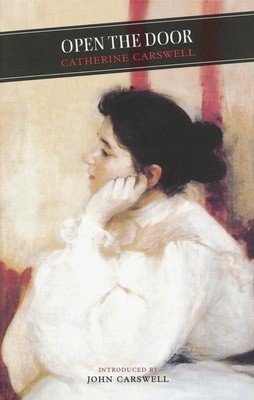
Open the door! - Catherine Carswell
Oops!
Unfortunately it looks like someone took the last one.
Unfortunately it looks like someone took the last one.
No worries, we have many more interesting finds for you.
Browse similar
Why choose musicMagpie?
Title
Open the door!
Open the door!
Author
Catherine Carswell
Catherine Carswell
format
Paperback / softback
Paperback / softback
Publisher
Canongate Classics
Canongate Classics
Language
English
English
UK Publication Date
19961015
19961015
Description
Joanna Bannerman, capricious, selfish and warm-hearted, passionately
seeks life and 'loveliness'. Certainly the bustling streets of Glasgow
at the turn of the century promise much greater excitement than the
solid evangelical background she has known hitherto. Her studies in the
School of Art open up new horizons - of independence and love - and
Joanna reaches for them all.
First published in 1920, this novel
powerfully evokes the image of a young woman ensnared yet ultimately
released by her capacity for emotion. It contains a strong
autobiographical element and is also a powerful evocation of the life
and industry of the Second City of the Empire.
Why buy with musicMagpie?

FREE 12 Month Warranty on Tech

Magpie Certified Refurbished Tech

FREE Delivery on ALL Orders

14 Day Money Back Guarantee

90 Point Refurbished Quality Check
If you’re looking for something new to listen to, watch or play, look no further than the musicMagpie Store. We sell over half a million new and used CDs, DVDs, Blu-Rays, Games and Vinyl, spanning all kinds of genres and consoles, with prices starting from just £1.09! We also sell a wide range of refurbished Mobile Phones and Tech from major brands like Apple, Samsung, Sony, Microsoft and much more. With a 12 month quality warranty, you can save with total confidence.