










Item out of stock
Selling fast! Item low in stock
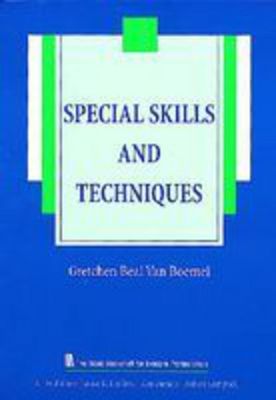
Special skills and techniques - Gretchen Beal Van Boemel
Oops!
Unfortunately it looks like someone took the last one.
Unfortunately it looks like someone took the last one.
No worries, we have many more interesting finds for you.
Browse similar
Why choose musicMagpie?
Title
Special skills and techniques
Special skills and techniques
Author
Gretchen Beal Van Boemel
Gretchen Beal Van Boemel
format
Paperback
Paperback
Publisher
SLACK Incorporated
SLACK Incorporated
Language
English
English
UK Publication Date
19990601
19990601
Description
The Basic Bookshelf for Eyecare Professionals is a series that provides fundamental and advanced material with a clinical approach to clinicians and students. A special effort was made to include information needed for the certification exams in ophthalmic and optometric assisting, as well as for surgical assistants, opticians, plus low vision, and contact lens examiners.
This book moves beyond basic exam skills into the arena of more advanced diagnostic testing. Topics include biometry and echography, electrophysiology, psychophysical testing, and microbiology. Special tests such as exophthalmometry, pachymetry, and ophthalmoscopy are also covered. This is the ultimate how-to book for those performing detailed patient exams.
Why buy with musicMagpie?

FREE 12 Month Warranty on Tech

Magpie Certified Refurbished Tech

FREE Delivery on ALL Orders

14 Day Money Back Guarantee

90 Point Refurbished Quality Check
If you’re looking for something new to listen to, watch or play, look no further than the musicMagpie Store. We sell over half a million new and used CDs, DVDs, Blu-Rays, Games and Vinyl, spanning all kinds of genres and consoles, with prices starting from just £1.09! We also sell a wide range of refurbished Mobile Phones and Tech from major brands like Apple, Samsung, Sony, Microsoft and much more. With a 12 month quality warranty, you can save with total confidence.